Nine: The Great Equalizer?
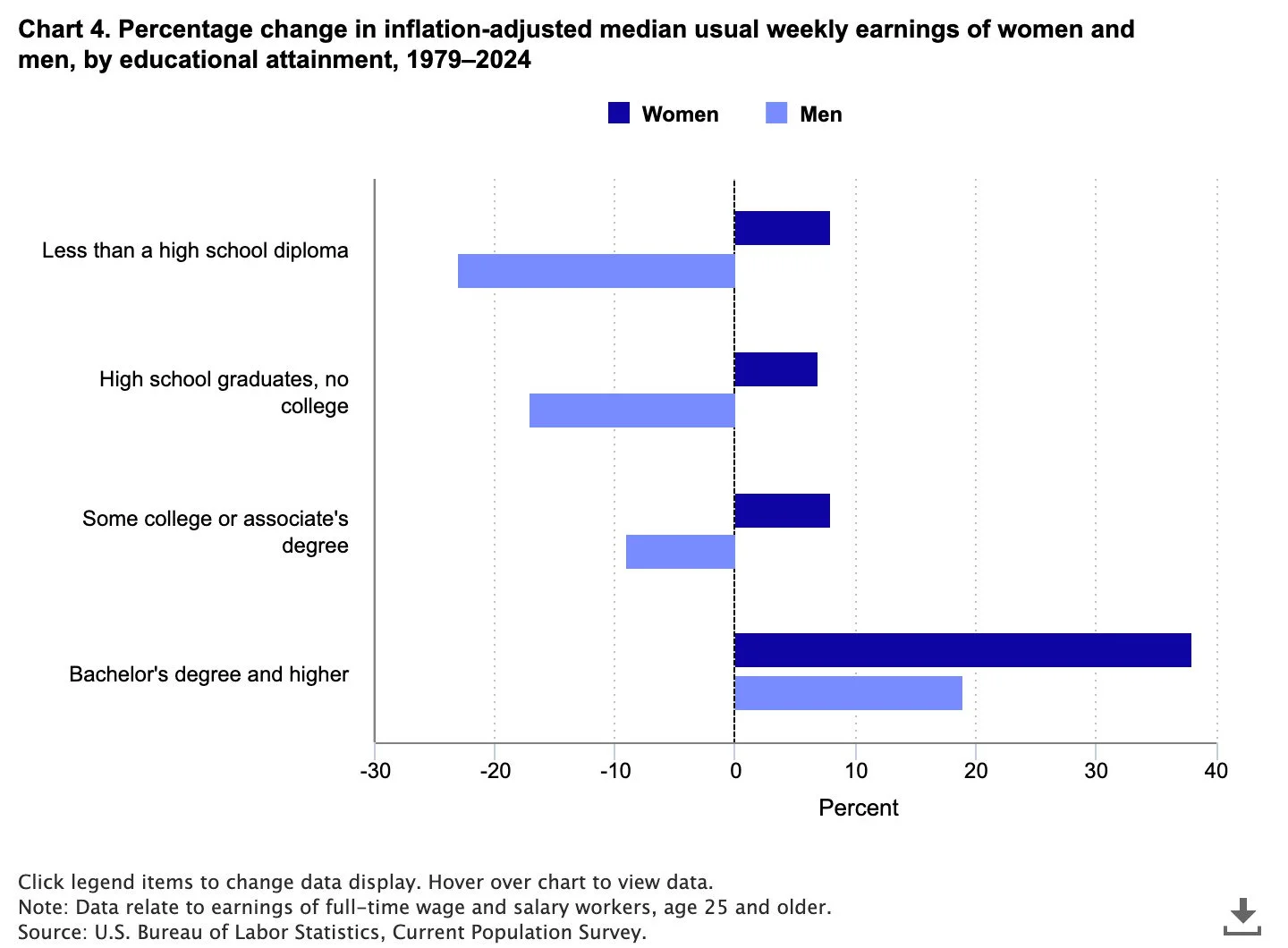
So is education “the great equalizer” or does it serve to reproduce the status quo? Both, and neither.
Five: Your Assignment
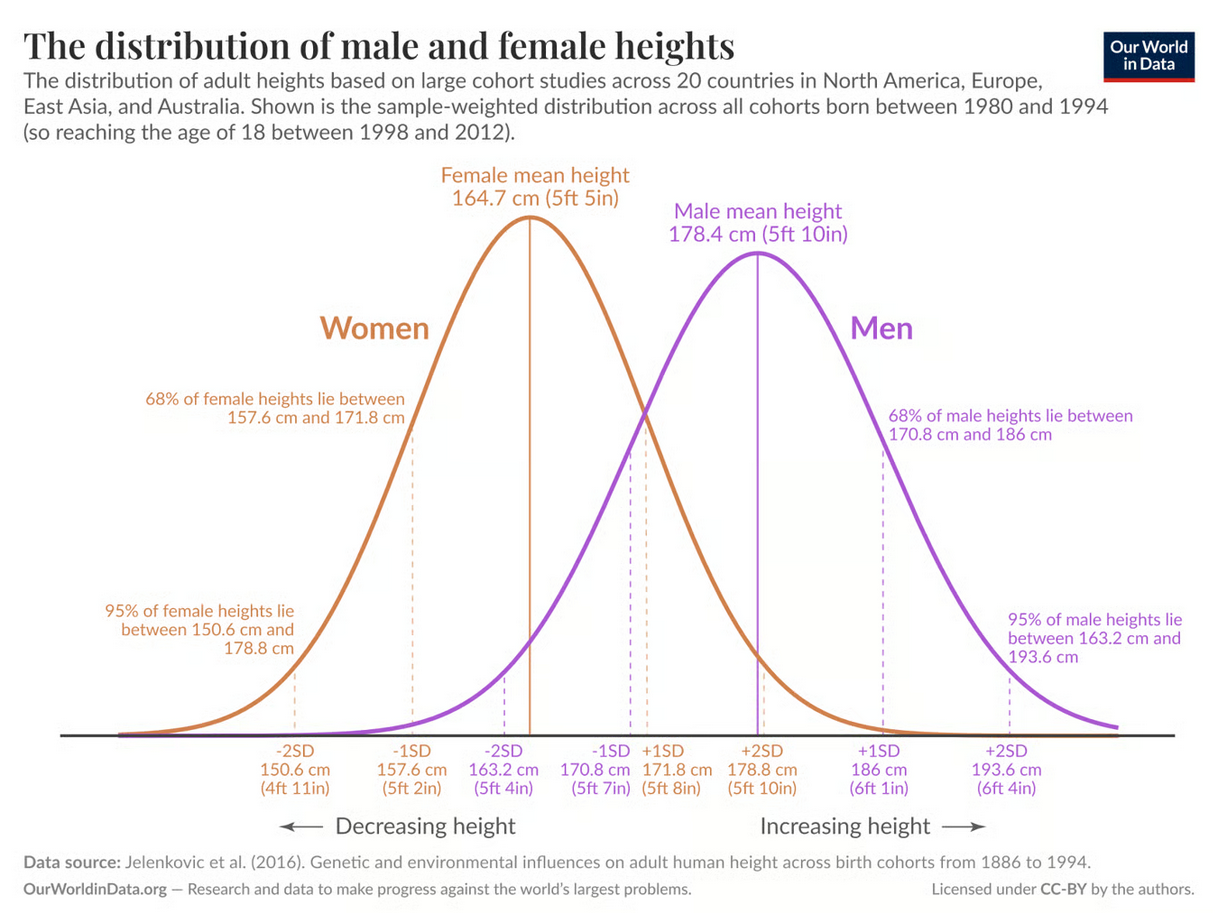
As I mentioned earlier, from about the 1950s up until the end of the twentieth century, social scientists distinguished between sex—something that was biologically “given”—and your gender—what you learned to do, how we learn to be men and women in the context of our respective societies. As we learned more about human beings, the assumption that sex is biologically given came into question. Some people are not born either male or female—a small proportion of babies are born intersex, meaning that biologically, they are born with a configuration of sex organs, hormones, or other markers which is not clearly either male or female. When a baby is anatomically intersex, historically they have been assigned to one or the other sex, and the infant’s body was made, through surgery, to conform to this identity. But with hormones, chromosomes, or other biological elements, many do not find out they are intersex until later in life and may live and die as their assigned sex without ever knowing. So yes, sex is rooted in biology. But it’s another case of average differences with a bit of overlap, a space of uncertainty across one or more biological aspects.
Three: An Average Man
Physics can teach you how to split an atom; deciding whether you want to build, or advocate for or against, nuclear power or nuclear weapons or both or neither involves application of that knowledge. Knowledge has value in and of itself because it gives you agency, the ability to more effectively influence what happens in your own life. Some of the findings of sociological research are grim; and might make you feel out of control. But the purpose of knowing is to figure out how to take that knowledge with you and use that knowledge in your own life. What you ultimately do with that knowledge isn’t up to me; it’s up to you.