Blog
Voyagers Like Us
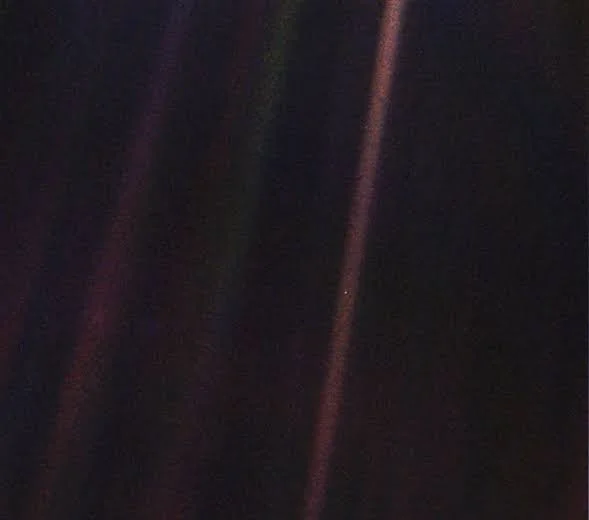
And yet, when I leash up my big fuzzy dog Tiny and take him outside for an evening walk in rural Northern Minnesota in a season of ever-shorter days, I still look up. A clear night sky on a crisp evening still inspires that sort of wonder that projects like Voyager and science communicators like Sagan (not to mention the late great Patrick Stewart and Star Trek: The Next Generation) once imparted to me. And I recognize that despite the fact that science as a publicly-funded enterprise (rather than an avocation of pallid upper-middle class eccentrics, as in the more distant past) has been put with less than noble motives to less than noble ends, there is still a message in milestones like Voyager that remains important, maybe even more so now.

Sabbatical’s End
People sometimes think a sabbatical is a vacation. And though I joked to that effect at times, it is not. It is a chance to step back from teaching for (in my case) an academic year, to rebuild and decide what direction to take with one’s future (I already taught a class this summer, but this is officially coming back now). I loved being an academic, it was my dream job; but after all that, I admit there were moments when I thought about doing something else with the last couple thousand weeks of my life (noting that 40 years is about 2,040 weeks, and if I am lucky and attend to my health a bit better, I might have that long). Being a public educator and scientist is a really difficult place to be right now. I understand why people in my profession are leaving, not just the profession, but the States, though I think we as a country will be lesser without them.